Discover the Amazing History of 10 Lost Civilizations
Have you ever wondered about the worlds that existed long before our time? Imagine civilizations thriving with commerce, culture, and complexity, only to fade into the annals of history, leaving behind remnants for us to piece together their stories. Today, let’s journey through time and uncover the tales of 10 incredible lost civilizations, whose legacies continue to fascinate and mystify historians and archaeologists alike.
1. The Ancestral Puebloans (Anasazi)
Located in the present-day Four Corners region of the United States, the Ancestral Puebloans were known for their unique cliff dwellings and vibrant communities. Flourishing from AD 100 to 1600, they created intricate road systems and ceremonial buildings known as kivas. Why did they leave their stone cities? Theories include drought and resource depletion, pushing them towards more hospitable lands.
2. The Mysterious Indus Valley Civilization
Spanning across what is now Pakistan and western India, the Indus Valley Civilization was at its peak from 2600 to 1900 BC. Known for their advanced urban planning, including the world’s first known urban sanitation systems, their script remains undeciphered, leaving many aspects of their society a puzzle.
3. The Might of the Khmer Empire
Ruling much of Southeast Asia from the 9th to the 15th centuries, the Khmer Empire is best known for constructing Angkor Wat, the largest religious monument in the world. Their intricate water management systems supported large-scale agriculture but climatic changes and overuse of the land likely led to their decline.
4. The Wisdom of the Minoans
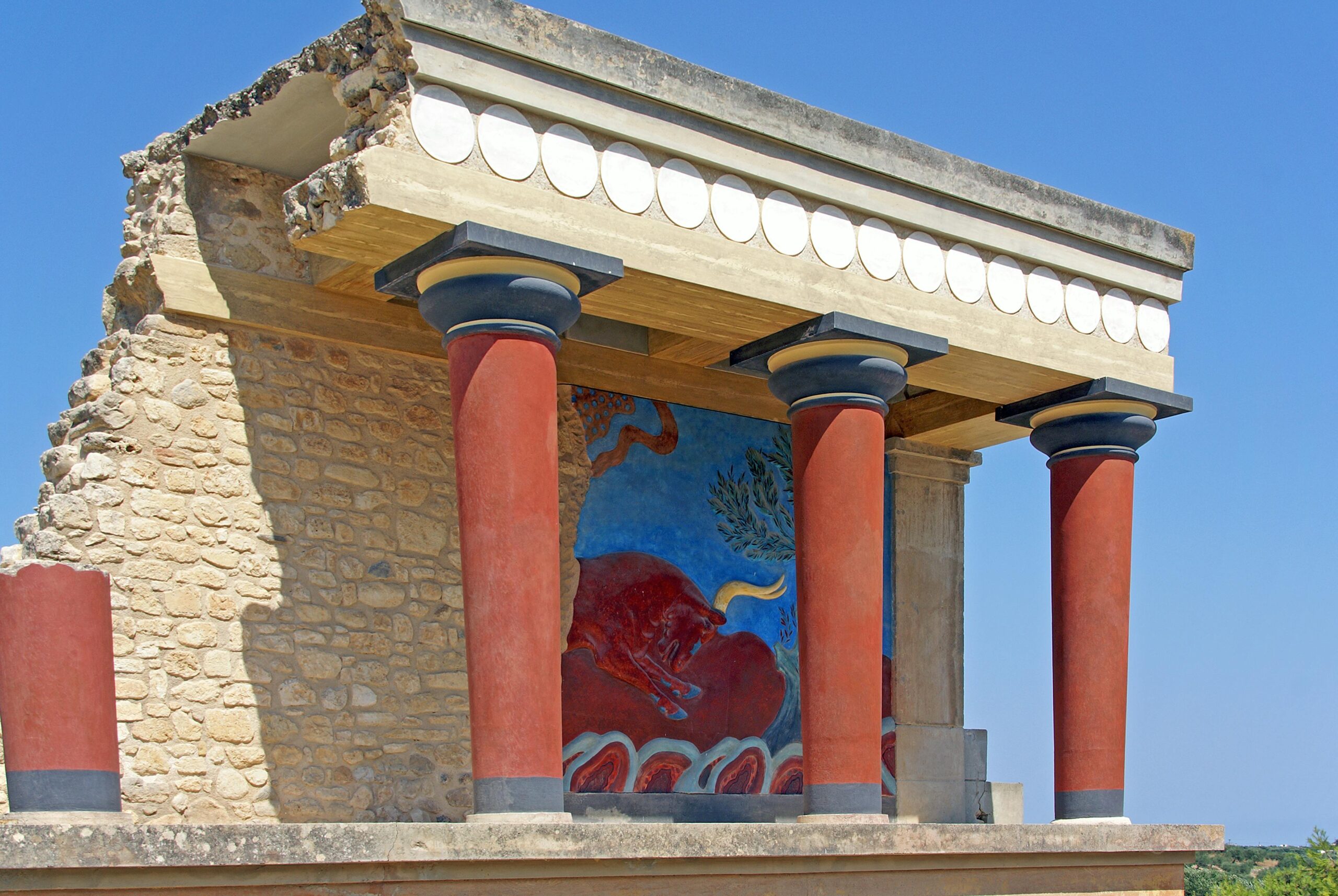
Centered on the island of Crete, the Minoan civilization (around 2700-1450 BC) was known for its majestic palaces, frescoes, and being part of the myth of the Minotaur and the Labyrinth. Natural disasters such as earthquakes and volcanic eruptions might have triggered their downfall, along with invasions from the Mycenaeans.
5. The Enigma of the Olmecs
Dubbed the “Mother Culture” of Mesoamerica, the Olmecs flourished from approximately 1200 to 400 BC in what is now Mexico. They are famous for their colossal stone heads and might have laid the foundational culture that influenced later civilizations like the Maya and the Aztecs.
6. The Sumerians of Mesopotamia
Innovators of the world’s first writing system (cuneiform), the Sumerians of ancient Mesopotamia thrived in what is modern-day Iraq from circa 4500 BC. They built the first cities and are known for their ziggurats, large step pyramids. Their contributions to law, literature, and government structure are profound.
7. The Mystery of the Nabateans
Famed for building the city of Petra, the Nabateans managed to carve an entire city out of rock cliffs in what is now Jordan. Flourishing from the 4th century BC to the 2nd century AD, they developed a unique water control system that supported their urban needs in the harsh desert.
8. The Grandeur of the Tiwanaku
Located near Lake Titicaca in present-day Bolivia, the Tiwanaku empire thrived from AD 600 to 1000. They are noted for their advanced agricultural practices, including raised fields that managed floods and droughts, a technique that allowed their culture to support a large population.
9. The Lost Cities of the Maya
The ancient Maya civilization was vast, encompassing parts of today’s Mexico, Guatemala, Honduras, and El Salvador from 2000 BC to the 16th century AD. Famed for their astronomical calculations, hieroglyphic writing, and monumental architecture, their decline is believed to be due to various factors including environmental degradation, warfare, and prolonged drought.
10. The Sea Peoples
A confederation of naval raiders, the Sea Peoples are noted in several ancient sources, including Egyptian texts. They are attributed with causing extensive turmoil and contributing to the fall of several civilizations in the Eastern Mediterranean at the end of the Bronze Age (around 1200 BC).
Conclusion: Echoes of the Past
Delving into the history of these 10 lost civilizations offers not only a glimpse into human innovation and culture but also lessons about resilience and adaptability. The remnants of their existence remind us of our shared human heritage, filled with achievements and challenges. Each civilization, though lost to time, leaves a legacy that enriches our understanding of the past and, quite possibly, our future. As we continue to explore these ancient societies, we uncover more than just artifacts — we discover connections to our own lives today.