5 Strange Facts You Won’t Believe About the Animal Kingdom
Have you ever wondered if your favorite nature documentary has shown you everything there is to know about the animal world? Think again! The animal kingdom is teeming with surprises that can stump even the most avid wildlife enthusiasts. From bizarre behaviors to incredible physiological feats, animals continue to amaze scientists and animal lovers alike. In this exploration, we delve into five strange facts about the animal kingdom that will have you questioning the limits of Mother Nature’s creativity.
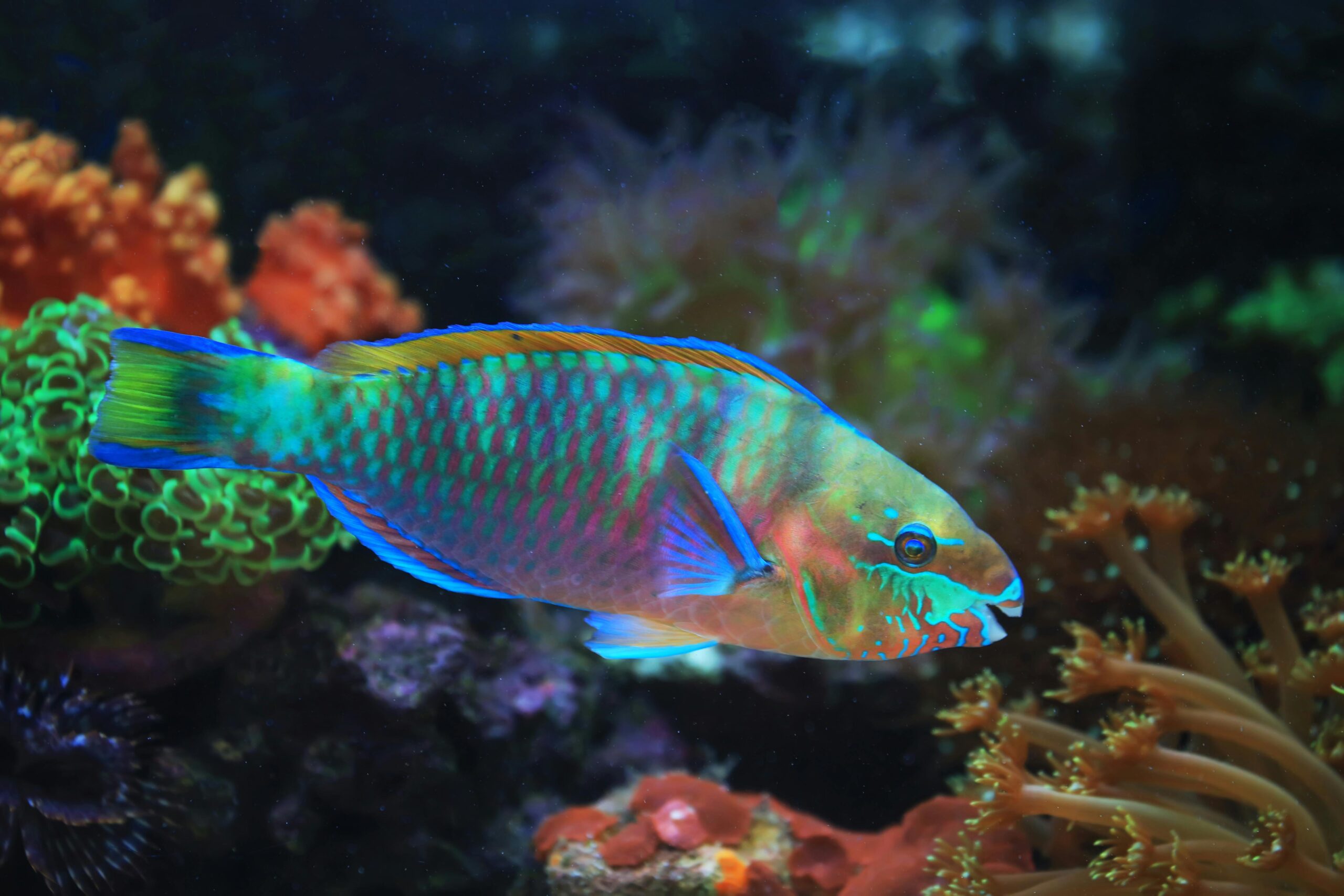
1. Parrotfish Sleep in a Bubble
Yes, you read that correctly. Parrotfish have a unique nighttime ritual that involves secreting a mucous cocoon, essentially a protective bubble, which they use as a sleeping bag. Why go to such lengths for a nap? This mucous shield masks their scent from potential predators like moray eels, making them nearly invisible. It’s their own version of a stealth mode!
2. Octopuses Have Three Hearts and Blue Blood
If being master escape artists and having the ability to change skin color wasn’t impressive enough, octopuses also boast three hearts. Two pump blood through the gills, while the third sends it coursing through the rest of the body. And instead of red blood, their blood is blue due to a copper-rich protein called hemocyanin, which is more efficient in cold, oxygen-poor water. It seems like these sea creatures are from another world!
3. Kangaroos Can Put Pregnancy on Pause
Here’s a reproductive anomaly that might seem straight out of science fiction. Kangaroos have the power to pause their pregnancy, a phenomenon known as embryonic diapause. This ability allows the female kangaroo to delay the birth of her baby until her previous Joey has left the pouch or when environmental conditions are more favorable. Talk about family planning!
4. Elephants Can Hear Through Their Feet
It sounds unbelievable, but elephants use their huge, sensitive feet to detect subsonic rumblings made by other elephants up to 20 miles away. These vibrations travel through the ground and are sensed as a form of communication and as warnings of potential dangers. This is particularly vital in the open wilderness, where sound travels faster and farther through the ground than through the air.
5. Tardigrades Can Survive in Space
Tardigrades, also known as water bears, are nearly microscopic creatures that can survive in the most extreme conditions you can imagine — including space! These tiny extremophiles can withstand temperatures from just above absolute zero to well above the boiling point of water, endure massive amounts of radiation, and can even survive without water for a decade. Their resilience has scientists studying the possibilities of life beyond Earth and what it means for interplanetary travel.
Reflecting on Nature’s Marvels
The animal kingdom never ceases to astound and confound with its array of unique and bizarre characteristics. From parrotfish’s mucous cocoon to the space-surviving tardigrades, nature often blurs the line between reality and the stuff of science fiction. These examples not only entertain and inspire but also reinforce the importance of preserving such a wonderfully diverse and unpredictable planet. Who knows what other secrets lie in wait to be discovered in the hidden corners of the Earth? Next time you encounter wildlife, remember: there is more to these creatures than meets the eye!