Top 10 Notable Discoveries in Ancient Civilizations
Have you ever wondered how a single discovery can redraw the entire map of what we know about ancient civilizations? Each of these findings offers us a unique peek into the lives, cultures, and innovations of peoples from millennia ago. From the unveiling of mystical cities to the decipherment of lost languages, these discoveries are not mere objects or ruins; they represent windows into the human past, opening stories that were thought to have been silenced by the sands of time.
Why These Discoveries Matter
These discoveries are crucial as they contribute significantly to our understanding of historical contexts and human evolution. They bring to light the social structures, technological advancements, and cultural expressions of ancient societies. Let’s embark on a journey through time to explore the most groundbreaking finds in the realm of archaeology that continue to fascinate historians and enthusiasts alike.
1. The Rosetta Stone
Discovery Insight: The Rosetta Stone was pivotal in deciphering Egyptian hieroglyphs. Found in 1799 by French soldiers in Egypt, this granodiorite stele inscribed with three versions of a decree opened the gateway to understanding an entire civilization.
2. King Tutankhamun’s Tomb
Discovery Insight: Uncovered in 1922 by Howard Carter in the Valley of the Kings, the nearly intact tomb of the young Pharaoh Tutankhamun offered unprecedented insights into the life and death of a pharaoh, and the treasures within showcased the artistry of ancient Egypt.
3. Pompeii
Discovery Insight: The ancient Roman city of Pompeii remained lost for nearly 1700 years. Its excavation in 1748 revealed a snapshot of Roman life, frozen at the moment of devastation by the eruption of Mount Vesuvius in 79 AD, providing invaluable insights into the Roman Empire.
4. The Terracotta Army
Discovery Insight: This collection of thousands of life-sized models representing the army of Qin Shi Huang, the First Emperor of China, was discovered in 1974 near Xi’an, China. They depict the emperor’s forces ready for battle, providing a glimpse into the military arrangements and attire of the time.
5. Machu Picchu
Discovery Insight: Often referred to as “The Lost City of the Incas,” Machu Picchu was brought to international attention in 1911 by Hiram Bingham. Perched in the Andean mountains of Peru, this well-preserved site deepens our understanding of the Incan civilization.
6. The Dead Sea Scrolls
Discovery Insight: Discovered between 1946 and 1956 in the Qumran Caves in the Judean Desert, these texts contain some of the oldest known versions of the Hebrew Bible and shed light on the beliefs and practices of early Jewish groups.
7. The Royal Graves of Ur
Discovery Insight: First excavated in the 1920s in southern Iraq, these graves are thought to belong to early Mesopotamian royalty. The intricate artifacts and delicate jewelry found within reveal much about Sumerian craftsmanship and trade networks.
8. The Antikythera Mechanism
Discovery Insight: Sometimes described as the world’s first computer, this ancient Greek device was used to predict astronomical positions and eclipses. Discovered from a shipwreck off the island of Antikythera in 1901, it highlights the sophistication of Greek engineering.
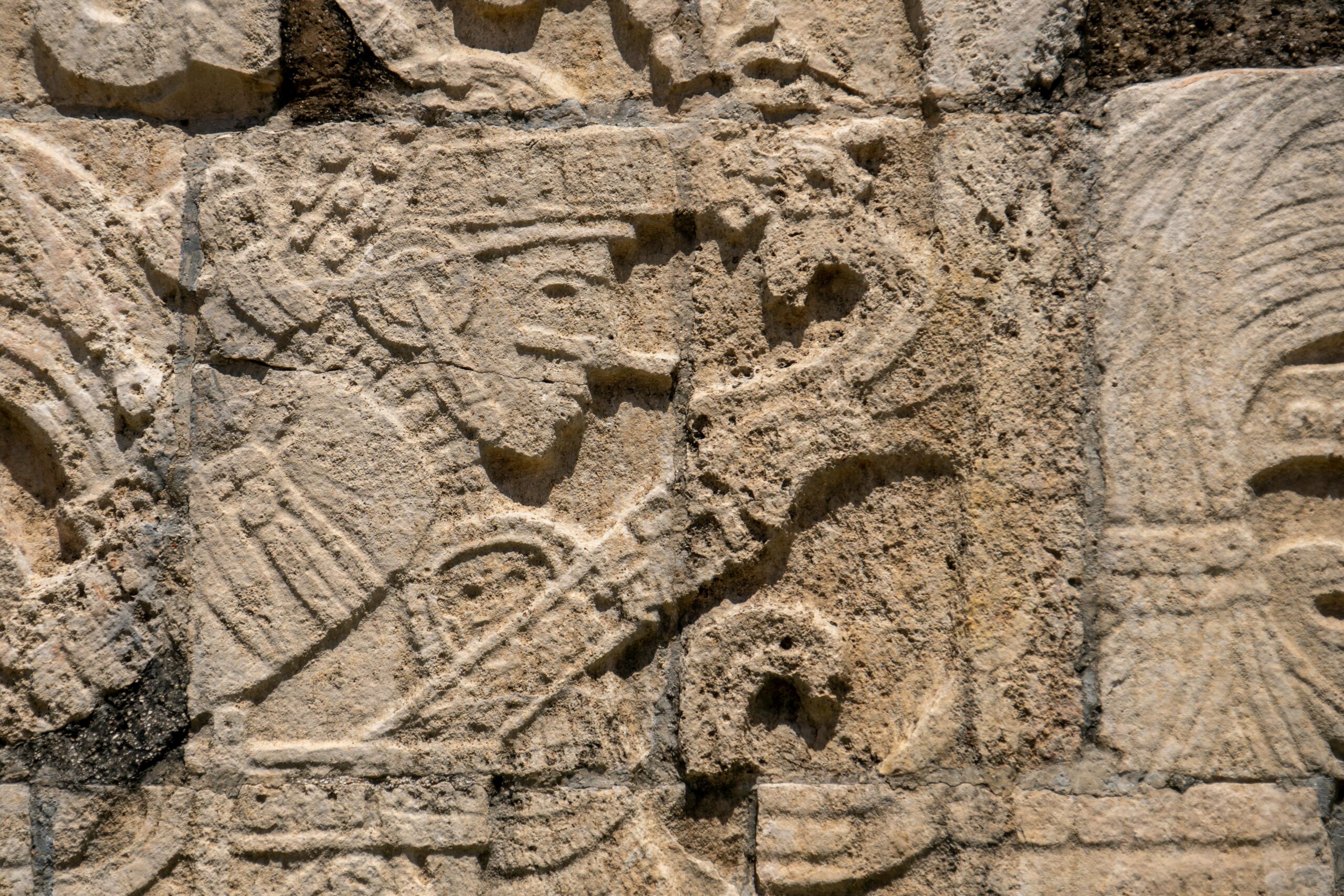
9. The Mayan El Mirador
Discovery Insight: Once considered the cradle of Mayan civilization, El Mirador in Guatemala was significantly excavated in the 1970s. Its massive temples and complex urban layout illustrate the social and political structures of the Maya.
10. Stonehenge
Discovery Insight: Located in England, Stonehenge’s origins date back to about 3000 BC. Its purpose remains a subject of debate, but its alignment with the solstices suggests a profound understanding of astronomy.
What We Gain from These Discoveries
Understanding our past through these remarkable archaeological discoveries informs our present and inspires our future. The knowledge gleaned from these sites empowers us to appreciate the complexity, diversity, and innovations of ancient societies. Each artifact, structure, and inscription tells a broader story of human civilization, and every discovery ensures that the legacies of our ancestors continue to enrich our world. This glimpse into the ancient worlds reveals our shared human heritage and reminds us of where we came from and potentially where we are headed.